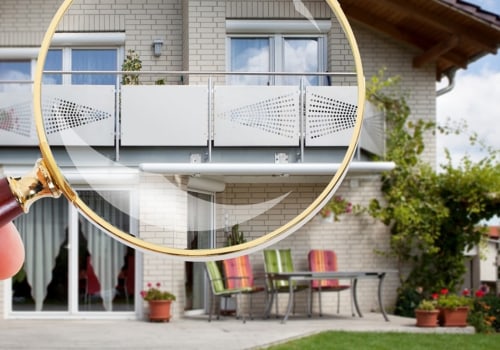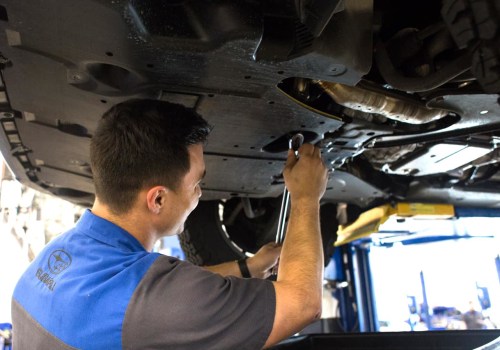
Home maintenance is a crucial aspect of homeownership that encompasses a wide range of tasks aimed at preserving the functionality, safety, and aesthetic appeal of a property. It involves regular inspections, repairs, and updates to various systems and structures within the home, ensuring that everything operates smoothly and efficiently. From routine cleaning to more complex repairs, home maintenance plays a vital role in extending the lifespan of your property and enhancing its overall value.The significance of home maintenance cannot be overstated. A well-maintained home not only provides a comfortable living environment but also safeguards against potential hazards such as leaks, electrical failures, and structural issues.
Neglecting maintenance can lead to costly repairs down the line, as minor problems can escalate into major concerns if left unaddressed. Moreover, regular upkeep contributes to energy efficiency, reducing utility bills and minimising the environmental impact of your household.Understanding the concept of maintenance life is essential for homeowners who wish to cultivate a proactive approach to property care. This term refers to the ongoing cycle of maintaining and improving a home throughout its lifespan. It highlights the importance of not just addressing immediate issues but also planning for future needs and upgrades.
By embracing a comprehensive maintenance strategy, homeowners can ensure that their properties remain functional and inviting for years to come.In this article, we will delve deeper into the various facets of home maintenance, exploring its importance, best practices, and how it contributes to a sustainable living environment. Whether you are a seasoned homeowner or new to property management, understanding the principles of home maintenance will empower you to make informed decisions that enhance your living space.
Defining Home Maintenance
Home maintenance refers to the ongoing process of keeping a residential property in good condition. It encompasses a wide range of tasks and activities aimed at preserving the functionality, safety, and aesthetic appeal of a home. Understanding the definition of home maintenance is essential for homeowners who wish to protect their investment and ensure a comfortable living environment.At its core, home maintenance can be divided into several key categories:- Preventive Maintenance: This type involves regular inspections and tasks designed to prevent potential issues before they arise.
Examples include cleaning gutters, servicing heating systems, and checking smoke detectors.
- Corrective Maintenance: This occurs when repairs are needed due to wear and tear or unexpected failures. For instance, fixing a leaky roof or replacing a broken window falls under this category.
- Routine Maintenance: These are regular tasks that keep the home functioning smoothly, such as changing air filters, mowing the lawn, or cleaning appliances.
- Seasonal Maintenance: Certain tasks are best performed at specific times of the year. For example, winterising pipes before the cold season or preparing the garden for spring planting.
Moreover, a well-maintained home is more appealing to potential buyers should you decide to sell in the future.In summary, home maintenance is an essential aspect of homeownership that involves various forms of care and attention. By understanding its different types and purposes, homeowners can take proactive steps to maintain their properties effectively.
The Importance of Regular Home Maintenance
Regular home maintenance is not merely a chore; it is a vital practice that can significantly enhance the longevity and value of your property. By investing time and resources into maintaining your home, you can reap numerous benefits that extend beyond mere aesthetics.Cost Savings
One of the most compelling reasons to engage in regular home maintenance is the potential for substantial cost savings. Routine inspections and minor repairs can prevent larger, more expensive issues from developing.
For instance, a small leak in a roof can lead to extensive water damage if left unaddressed, resulting in costly repairs. By identifying and rectifying such issues early, homeowners can save thousands of pounds in emergency repairs.
Increased Property Value
Another significant advantage of regular maintenance is the positive impact it has on property value. A well-maintained home is more attractive to potential buyers and can command a higher selling price. Regular upkeep, such as painting, landscaping, and servicing appliances, not only enhances curb appeal but also assures buyers that the property has been cared for.
This proactive approach can lead to a quicker sale and a better return on investment.
Enhanced Safety
Safety is paramount in any home, and regular maintenance plays a crucial role in ensuring a safe living environment. Neglected areas such as electrical systems, plumbing, and structural integrity can pose serious risks. For example, faulty wiring can lead to electrical fires, while deteriorating foundations may compromise the stability of the entire structure. By prioritising maintenance tasks, homeowners can mitigate these risks and protect their families.
Consequences of Neglecting Maintenance
The consequences of neglecting home maintenance can be dire.
Beyond the immediate financial implications, such as increased repair costs and decreased property value, there are also long-term effects on your quality of life. A poorly maintained home can lead to health hazards like mould growth or pest infestations, which can affect your family's well-being. Furthermore, neglecting maintenance may result in legal issues if your property fails to meet safety standards.In conclusion, regular home maintenance is essential for safeguarding your investment, enhancing safety, and ensuring a comfortable living environment. By committing to routine upkeep, homeowners not only protect their properties but also enjoy peace of mind knowing they are taking proactive steps towards preserving their homes.
Types of Home Maintenance Tasks
Home maintenance encompasses a variety of tasks that are essential for preserving the integrity and functionality of your living space.Understanding the different types of home maintenance tasks can help homeowners prioritise their efforts and ensure that their homes remain safe and comfortable.
Routine Maintenance
Routine maintenance tasks are the day-to-day or weekly activities that keep your home in good working order. These tasks are generally straightforward and can often be performed by homeowners without professional assistance. Examples include:- Cleaning gutters: Regularly removing debris from gutters prevents water damage to your roof and foundation.
- Changing air filters: Replacing HVAC filters every few months ensures efficient airflow and improves indoor air quality.
- Checking smoke detectors: Testing smoke alarms monthly and replacing batteries annually can save lives in case of a fire.
- Inspecting plumbing fixtures: Regularly checking for leaks under sinks and around toilets can prevent costly water damage.
Preventive Maintenance
Preventive maintenance involves scheduled tasks designed to avert potential problems before they occur. This type of maintenance is crucial for extending the lifespan of various systems within your home.Key preventive maintenance tasks include:
- Seasonal HVAC checks: Having your heating and cooling systems serviced at the start of each season ensures they operate efficiently.
- Roof inspections: Checking for missing shingles or signs of wear can prevent leaks and extensive damage.
- Sealing windows and doors: Applying weather stripping or caulk helps maintain energy efficiency by preventing drafts.
- Flushing water heaters: Regularly flushing sediment from your water heater can improve efficiency and prolong its life.
Seasonal Maintenance Tasks
Seasonal maintenance tasks are specific activities that should be performed at certain times of the year to prepare your home for changing weather conditions. These include:- Spring: Clean out gutters, inspect the roof, and service air conditioning units.
- Summer: Check outdoor plumbing, maintain landscaping, and inspect decks for wear.
- Autumn: Prepare heating systems, clean chimneys, and winterise outdoor faucets.
- Winter: Insulate pipes, check for drafts, and ensure snow removal equipment is functional.
Creating a Home Maintenance Schedule
Creating a comprehensive home maintenance schedule is essential for ensuring that your property remains in optimal condition. A well-structured schedule not only helps in prolonging the lifespan of your home’s systems and structures but also prevents costly repairs down the line. Here’s how to effectively create a maintenance schedule tailored to your needs.1.Assess Your Home’s Needs
- Begin by conducting a thorough inspection of your home.
Identify areas that require regular attention, such as roofing, plumbing, electrical systems, and appliances.
- Consider the age of your home and its components; older homes may require more frequent maintenance.
- Make a list of seasonal tasks, such as gutter cleaning in autumn or HVAC servicing in spring.
2.Categorise Maintenance Tasks
Organise your tasks into categories to streamline the scheduling process:
- Routine Maintenance: These are tasks that should be performed regularly, such as changing air filters or checking smoke detectors.
- Seasonal Maintenance: Tasks that are specific to certain times of the year, like winterising outdoor faucets or checking insulation before colder months.
- Annual Maintenance: More extensive checks that may include roof inspections or deep cleaning carpets.
3.Use Tools for Scheduling
Utilising tools can greatly enhance your ability to stay organised:
- Digital Calendars: Use apps like Google Calendar to set reminders for each task. This allows you to receive notifications ahead of time.
- Home Maintenance Apps: Consider dedicated apps designed for home maintenance tracking, which can help you log completed tasks and set future reminders.
- Paper Planners: If you prefer a physical format, create a printed checklist or planner that you can easily refer to.
4.Stay Flexible and Adjust as Needed
Your maintenance schedule should be a living document. As you complete tasks or as new issues arise, adjust your schedule accordingly. Regularly review and update your list to ensure it remains relevant and effective.
5.Involve Family Members
If you live with others, involve them in the maintenance process.
Assign specific tasks to family members based on their skills and availability. This not only distributes the workload but also fosters a sense of shared responsibility for maintaining the home.By following these steps, you can create an effective home maintenance schedule that keeps your property in excellent condition while saving time and money in the long run.
Common Home Maintenance Mistakes to Avoid
Home maintenance is essential for preserving the value and functionality of your property. However, many homeowners fall into common traps that can lead to costly repairs and diminished quality of life. Understanding these pitfalls is crucial for effective home care.1.Neglecting Regular Inspections
One of the most significant mistakes homeowners make is failing to conduct regular inspections of their property.
Areas such as the roof, plumbing, and electrical systems require periodic checks to identify potential issues before they escalate. For instance, a small leak in the roof can lead to extensive water damage if left unchecked.
2.Ignoring Seasonal Maintenance
Each season brings its own set of maintenance tasks. Ignoring these can result in severe consequences. For example, not clearing gutters in autumn can lead to ice dams in winter, causing roof leaks and structural damage.
Create a seasonal maintenance checklist to ensure you cover all necessary tasks throughout the year.
3.Skipping Preventive Maintenance
Preventive maintenance is designed to keep systems running smoothly and avoid unexpected breakdowns. Homeowners often overlook this aspect, thinking it’s an unnecessary expense. However, regular servicing of heating systems, air conditioning units, and appliances can extend their lifespan and save money in the long run.
4.Overlooking Small Repairs
Small issues like a cracked tile or a leaky faucet may seem insignificant at first, but they can lead to more extensive damage if ignored. Addressing minor repairs promptly can prevent them from escalating into major problems that require costly interventions.
5.DIY Overconfidence
While DIY projects can be rewarding, overestimating your skills can lead to mistakes that are expensive to fix.
It’s essential to know when to call in a professional, especially for complex tasks like electrical work or major plumbing issues.
6.Failing to Keep Records
Keeping detailed records of maintenance activities is often overlooked by homeowners. Documenting repairs and services performed helps track the history of your home’s upkeep and can be invaluable when selling your property or planning future maintenance.By being aware of these common home maintenance mistakes and taking proactive steps to avoid them, homeowners can protect their investment and ensure their living environment remains safe and comfortable.
The Role of Professional Help in Home Maintenance
When it comes to home maintenance, the decision to hire a professional or tackle tasks independently can significantly impact both the quality of work and your overall peace of mind. Understanding when to seek professional help is crucial for maintaining your home effectively.When to Hire a Professional
- Complex Repairs: If a task involves intricate systems such as plumbing, electrical work, or structural repairs, it’s wise to consult a professional. These areas require specialised knowledge and skills that most homeowners may not possess.
- Time Constraints: Busy schedules can make it challenging to dedicate time to home maintenance.
Hiring a professional can save you valuable time, allowing you to focus on other priorities.
- Lack of Tools or Experience: Some maintenance tasks require specific tools or expertise. If you lack either, it’s often more cost-effective in the long run to hire someone who has the right equipment and experience.
- Safety Concerns: Certain jobs, like roof repairs or heavy lifting, pose safety risks. Professionals are trained to handle these situations safely, reducing the risk of injury.
Benefits of Professional Services
- Quality Assurance: Professionals bring expertise and experience, ensuring that the job is done correctly and efficiently. This can prevent future issues that may arise from improper repairs.
- Warranty Protection: Many professional services offer warranties on their work, providing peace of mind that if something goes wrong, it will be addressed without additional costs.
- Access to Resources: Professionals often have access to high-quality materials and tools that may not be readily available to the average homeowner.
DIY vs.
Professional Help
While many homeowners take pride in DIY projects, it’s essential to recognise your limits. Simple tasks like painting or gardening can be rewarding and cost-effective when done yourself. However, for more complex issues, weighing the potential risks and benefits is vital. Consider factors such as your skill level, the time required, and the potential for costly mistakes before deciding.In conclusion, understanding when to hire a professional for home maintenance tasks versus when to handle them yourself is key to maintaining your home efficiently and safely.
By evaluating the complexity of the task at hand and your own capabilities, you can make informed decisions that will benefit both your home and your well-being.
Sustainable Home Maintenance Practices
In an era where environmental consciousness is paramount, adopting sustainable home maintenance practices not only benefits the planet but also enhances the longevity and efficiency of your home. Here are some effective strategies to consider:- Utilise Eco-Friendly Products: When performing maintenance tasks, opt for biodegradable and non-toxic cleaning agents. Many conventional products contain harmful chemicals that can pollute water systems and harm wildlife. Look for labels that indicate eco-friendliness or consider making your own cleaners using natural ingredients like vinegar, baking soda, and essential oils.
- Implement Water-Saving Techniques: Regularly check for leaks in faucets and toilets, as even minor drips can waste significant amounts of water over time.
Installing low-flow fixtures can also reduce water consumption without sacrificing performance.
- Energy Efficiency Upgrades: Consider upgrading to energy-efficient appliances and lighting. Look for products with the Energy Star label, which indicates they meet strict energy efficiency guidelines. Additionally, insulating your home properly can reduce heating and cooling costs, leading to lower energy consumption.
- Regular Maintenance Checks: Schedule routine inspections of your home’s systems, such as HVAC, plumbing, and roofing. Early detection of issues can prevent costly repairs and energy waste.
For instance, cleaning air filters regularly can improve air quality and system efficiency.
- Embrace Sustainable Landscaping: Choose native plants for your garden that require less water and maintenance. Implementing xeriscaping techniques can significantly reduce the need for irrigation while promoting biodiversity.
- Recycling and Upcycling: When it comes to home repairs or renovations, consider recycling materials or upcycling old furniture instead of purchasing new items. This not only reduces waste but also adds a unique character to your home.
<strong>Conclusion</strong>
In summary, home maintenance is not merely a series of tasks to keep your property in good condition; it is a vital practice that ensures the longevity and functionality of your home.By engaging in regular maintenance, homeowners can prevent minor issues from escalating into major problems, ultimately saving time and money.Moreover, the concept of maintenance extends beyond physical structures. It encompasses the emotional and social aspects of home life, fostering a sense of community and belonging. A well-maintained home can enhance the quality of life for its inhabitants, providing a safe and comfortable environment.To effectively manage home maintenance, it is essential to develop a comprehensive plan that includes:
- Routine Inspections: Regularly checking for signs of wear and tear can help identify potential issues before they become serious.
- Seasonal Tasks: Certain maintenance tasks should be performed seasonally, such as gutter cleaning in autumn or HVAC servicing in spring.
- Emergency Preparedness: Having a plan in place for unexpected repairs can mitigate stress and financial strain when emergencies arise.
- Documentation: Keeping records of maintenance activities can help track what has been done and what needs attention, ensuring nothing is overlooked.
Furthermore, it contributes to a sustainable living environment by reducing waste and promoting efficient use of resources.Ultimately, embracing a proactive approach to home maintenance fosters a culture of care and responsibility. It encourages homeowners to take pride in their living spaces while ensuring that their homes remain safe, functional, and welcoming for years to come.